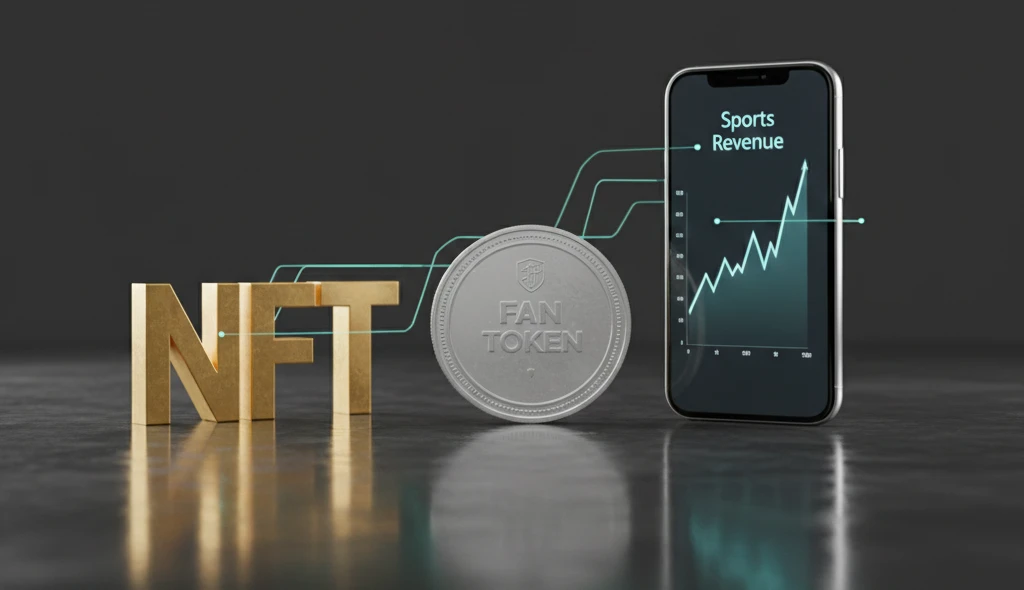
The digital economy continues to reshape how sports organizations generate revenue, interact with fans, and expand their global footprint. New technologies—once experimental—have become viable income streams that offer both commercial upside and deeper fan engagement. Among these trends, NFTs, fan tokens, digital memberships, virtual experiences, and data-driven monetization models have emerged as powerful tools for clubs and leagues looking to future-proof their financial strategy.
But while these innovations offer opportunity, they also require thoughtful execution, strong governance, and a clear understanding of fan behavior. This article explores the most relevant digital revenue trends and how sports organizations can adopt them sustainably.
The Rise of NFTs and Digital Collectibles
NFTs (non-fungible tokens) opened a new era of digital ownership. For sports organizations, they represent a modern version of memorabilia—collectibles anchored in blockchain technology rather than physical materials.
Why NFTs attract fans:
- They provide exclusive access to rare digital moments or artwork
- They create emotional value through limited editions
- They allow fans to “own” historic plays, player cards, or 3D collectibles
- They enable resale in secondary markets, giving fans economic participation
Why NFTs attract clubs:
- Predictable revenue through drops
- Built-in scarcity and high engagement
- Potential for recurring royalties on resales
- Flexibility to integrate with memberships, ticketing, or loyalty programs
However, clubs must approach NFTs with transparency, sustainable pricing models, and utility. Fans expect more than a digital image—they expect access, experiences, or long-term benefits connected to the token.
Fan Tokens and the Tokenized Engagement Model
Fan tokens allow supporters to participate in low-impact club decisions, access exclusive content, or unlock rewards. Unlike NFTs, fan tokens operate more like digital membership layers.
Clubs use fan tokens to offer:
- Voting on jersey designs or match-day music
- Priority access to tickets
- Exclusive training-ground videos
- Discounts on merchandise
- Unique digital or real-world experiences
The commercial upside:
- Immediate revenue from token launches
- Ongoing transactions and engagement
- A scalable, digital membership system
- Stronger international fan inclusion
The challenge is ensuring token programs remain responsible and do not mislead fans. Token utility must be clear, meaningful, and ethically positioned—more engagement mechanism than financial product.
Beyond NFTs and Tokens: The Next Wave of Digital Revenue
Sports organizations are now exploring broader digital revenue streams that expand beyond blockchain.
1. Digital Subscriptions and Premium Content
Clubs are launching their own vertical content platforms offering:
- Long-form documentaries
- Tactical and performance breakdowns
- Player-driven lifestyle content
- Youth academy access
- Exclusive interviews
- Live training streams
Subscription models provide predictable, recurring revenue while giving fans a deeper connection to the team.
2. Virtual Experiences and Metaverse Activations
Virtual participation allows global fans to interact with the club in immersive ways:
- Virtual stadium tours
- Augmented-reality match overlays
- VR meet-and-greets with players
- Virtual fan events or concerts
These experiences expand the match-day beyond geography and time zones.
3. Data-Driven Commerce and Personalization
Behavioral analytics allow clubs to sell smarter, not louder.
Examples include:
- Personalized merchandise recommendations
- Dynamic pricing models
- Automated match-day offers
- Geo-targeted campaigns
- Loyalty tiers based on engagement
The goal is simple: deliver the right offer to the right fan at the right time.
4. Gamification and Interactive Experiences
From prediction games to fantasy leagues to interactive match overlays, gamification keeps fans active year-round and creates monetizable engagement cycles.
Why These Digital Streams Work
The success of digital revenue models comes down to three principles:
Accessibility:
Fans worldwide can participate instantly—no stadium required.
Personalization:
Digital products adapt to individual fan behavior, increasing loyalty.
Scalability:
Digital assets can be sold or distributed to millions without increasing production costs.
For clubs, this means revenue growth that is not tied to match results or season schedules.