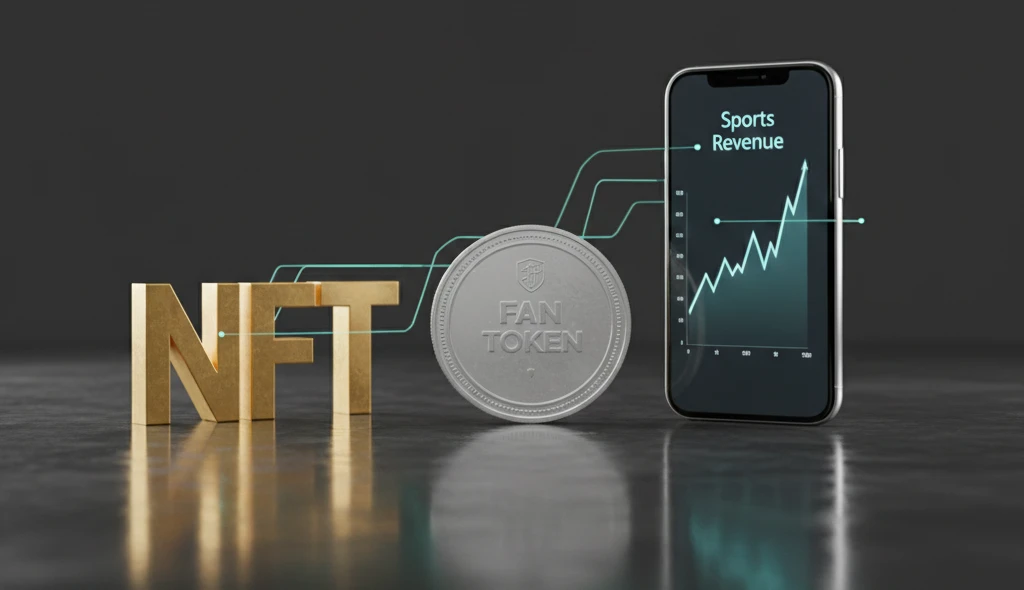
Sports leagues operate within a complex financial ecosystem involving broadcasting contracts, sponsorships, ticketing, merchandising, athlete salaries, facility expenses, and cross-border commercial activities. The pandemic disrupted nearly every one of these revenue pillars. According to Forbes (anchor: “forbes article on sports revenue decline”), the global sports industry lost billions in 2020 alone, primarily due to fan-attendance restrictions.
Today, the main sources of financial risk include:
1. Revenue Volatility
Even after stadiums reopened, demand patterns changed. Many clubs and leagues report slower post-pandemic attendance recovery, higher production costs, and more reliance on digital experiences. Sponsorship portfolios also became more fragile, with brands expecting measurable ROI and stricter compliance.
2. Operational Disruptions
Leagues rely heavily on predictable scheduling. Unexpected cancellations—from public-health alerts to natural disasters—can trigger insurance claims, contract penalties, and broadcast renegotiations. The pandemic demonstrated how fragile logistical chains can be.
3. Regulatory Exposure
Governments and federations have tightened rules around:
- Athlete health and safety
- Cross-border travel
- Fan-data protection
- Financial reporting and transparency
- Anti-money-laundering (AML) and integrity regulations
For example, the UEFA Financial Sustainability Regulations (anchor: “UEFA Financial Sustainability Regulations Wikipedia”) replaced the older Financial Fair Play system, imposing new spending controls and squad-cost ratios.
4. Rising Employment and Contractual Risks
Player contracts became more complex, with clauses related to force majeure, pay adjustments during shutdowns, and health-related postponements. Leagues must negotiate and manage these agreements with legal precision.
Compliance Strategies for a Post-Pandemic Era
Compliance is no longer just an administrative task; it is a fundamental pillar of financial stability. Modern sports leagues must demonstrate accountability, transparency, and resilience to maintain investor confidence, retain sponsors, and protect competitive integrity.
Below are essential compliance strategies that sports leagues should implement in the post-pandemic environment.
Strengthening Governance and Financial Oversight
A robust governance structure is the first layer of risk mitigation. The pandemic exposed the difference between leagues with strong crisis-management frameworks and those without.
Key governance actions include:
- Centralized decision-making committees for crisis response
- Transparent financial reporting aligned with international standards
- Independent audits of league finances and club compliance
- Internal controls for cost monitoring, salary caps, and investment approvals
According to the Sports Governance article (anchor: “Sports Governance Wikipedia”), leagues with well-defined governance bodies adapt faster to unexpected disruptions and maintain financial continuity.
Diversifying Revenue Streams and Digital Transformation
Traditional revenue sources—ticketing, concessions, and venue-based activity—proved vulnerable during the pandemic. Sustainable financial management requires diversifying and digitalizing.
Modern revenue diversification strategies include:
- Paid digital fan experiences (virtual access, exclusive content)
- OTT streaming platforms to reduce reliance on broadcast partners
- Dynamic ticket pricing models
- Data-driven sponsorship packages tailored to digital audiences
- Esports partnerships and gaming collaborations
Leagues should benchmark leading organizations such as the NBA, which accelerated digital fan engagement tools during the pandemic (anchor: “NBA digital innovation Forbes”).
Contractual Risk Management Through Scenario-Based Planning
Contracts must anticipate scenarios such as season suspensions, regional lockdowns, and changes in travel policy.
Critical contractual elements include:
- Force-majeure clauses adapted to public-health events
- Flexible scheduling obligations
- Insurance coverage requirements for event cancellation
- Broadcast and sponsorship renegotiation triggers
Properly drafted agreements reduce the financial shock of unforeseen disruptions and provide clarity for all stakeholders.
Enhancing Data-Protection and Fan-Privacy Compliance
Sports leagues increasingly collect sensitive data through mobile apps, ticketing systems, streaming platforms, and loyalty programs. Compliance with privacy regulations—such as GDPR in Europe or local equivalents in other regions—is now integral to financial and reputational stability.
Essential data-protection actions:
- Transparent consent mechanisms
- Secure storage and encryption
- Regular cybersecurity audits
- Staff training and incident-response protocols
Leagues must treat fan data as a protected financial asset.
Noble Era’s Approach to Financial-Risk and Compliance Strategy
At Noble Era, we apply a structured framework to help sports leagues strengthen their financial resilience and compliance maturity. Our approach combines strategic advisory, stakeholder alignment, and hands-on operational support.
Noble Era supports leagues through:
- Risk-mapping and scenario analysis
- Governance architecture design tailored to league size and geography
- Compliance and reporting frameworks aligned with international standards
- Contract and policy evaluation (broadcasting, sponsorships, athlete agreements)
- Digital-transformation planning for new revenue opportunities
- Stakeholder training on financial oversight and crisis management
Our goal is to ensure that leagues not only comply with modern regulations but also transform compliance into a competitive advantage.
FAQs
What financial risks did the pandemic expose in sports leagues?
Leagues learned how vulnerable ticketing-based and event-dependent revenue models can be. They also faced challenges with broadcasting renegotiations, contract management, and sponsor withdrawals.
Why is compliance critical for financial stability?
Compliance frameworks help ensure transparency, reduce legal exposure, and maintain trust among broadcasters, investors, fans, and regulators.
How can leagues prevent future financial disruption?
By diversifying revenue through digital channels, strengthening governance practices, and implementing robust risk-management policies.
What role does governance play in financial resilience?
Governance determines decision-making speed, financial oversight, internal controls, and the ability to respond to crises—making it essential for long-term stability.